
Contractors
What a contractor site should show on day one
What you do, where you work, how to ask for a price, and a couple of real jobs. Fieldwork, Stormridge, Ashlar, Nightcircuit, Cistern — then we put Flask on your server.
If you roof houses, plumb bathrooms, or run a crew, your website has one job on day one: make it obvious what you do, where you work, and how someone asks for a price. Fancy animations can wait. A homepage that looks expensive and says nothing is worse than a plain page that takes the job.
People who need a roofer are not browsing for inspiration. They skim on a phone, often after a storm or a leak. If the work is vague, the town is missing, or the “get a quote” button is buried, they call the next name on the list. That is the whole problem this note is about.
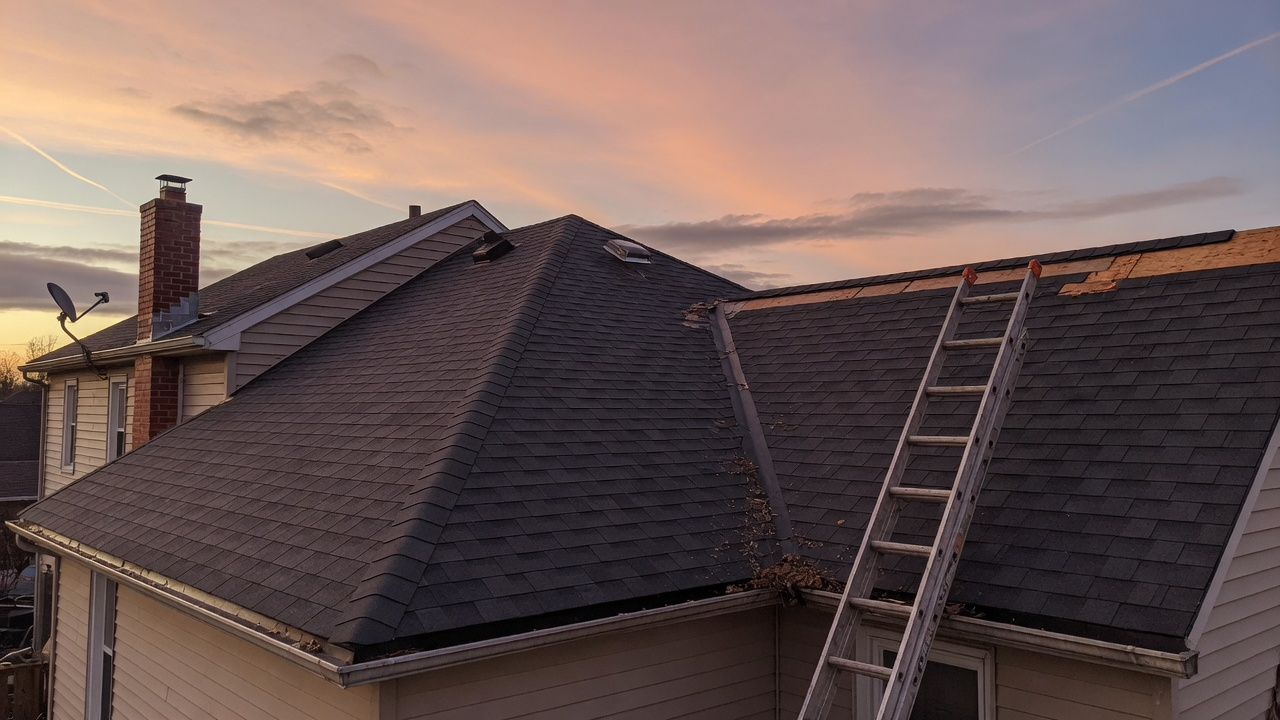
Say the work out loud
“Roofing” is thin. “Storm damage, re-roofs, and repairs — houses, not warehouses” tells someone whether to write you. Don’t list every trade you might try someday. List what you take this month. If you don’t do commercial, say so. If you only do residential reroofs in three counties, that sentence belongs above the fold.
Stormridge is built for that weather-driven week: counties, a storm checklist, insurance vs cash. Ashlar is the opposite mood — case studies and materials, not a yellow urgency bar. Same trade family, different close. Pick the layout that matches how you actually sell, not the one with the prettiest demo photo.
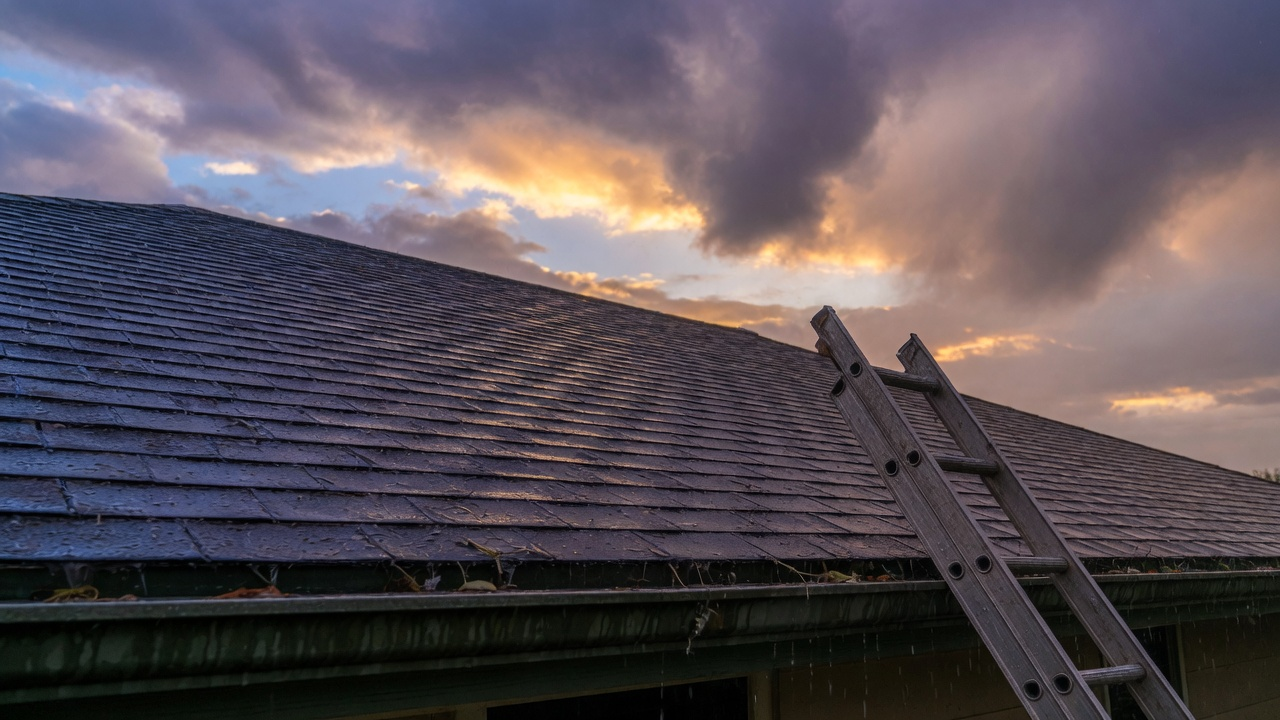
Put the towns next to the ask
Name the cities or counties. “Serving the region” means nothing. Keep the estimate form close to that list. On a phone, nobody wants to hunt through About to find a form. If you drive 40 minutes for a site visit, say the radius. If you won’t leave the county, say that too — it saves everyone a wasted call.
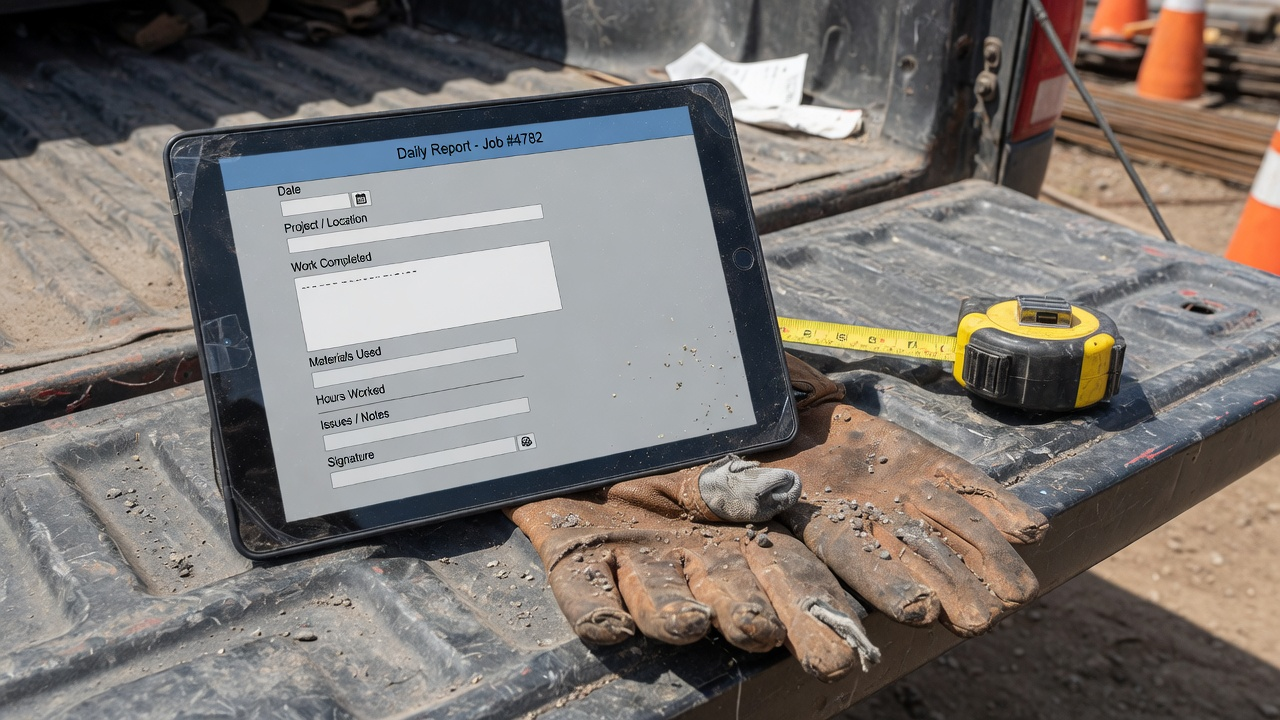
The form itself should ask for the few facts you need to quote: trade, address or town, photos if they have them, timeline. Don’t make it a novel. Don’t add a second “learn more” button that competes with the estimate request. One primary ask per screen.
One way to reach you
One form, or one email. History of the company can live on About. The homepage should get someone to send the job. After-hours strips only stay if you actually answer them. If night calls are existing customers only, write that. Fake 24/7 is how you get angry reviews.
Fieldwork keeps a job gallery stuck on one side and the estimate drawer locked on the other so the ask never scrolls away. Nightcircuit is for panel / EV / dispatch. Cistern splits leak vs install so the inbox sorts itself. Don’t mash all three moods onto one homepage.
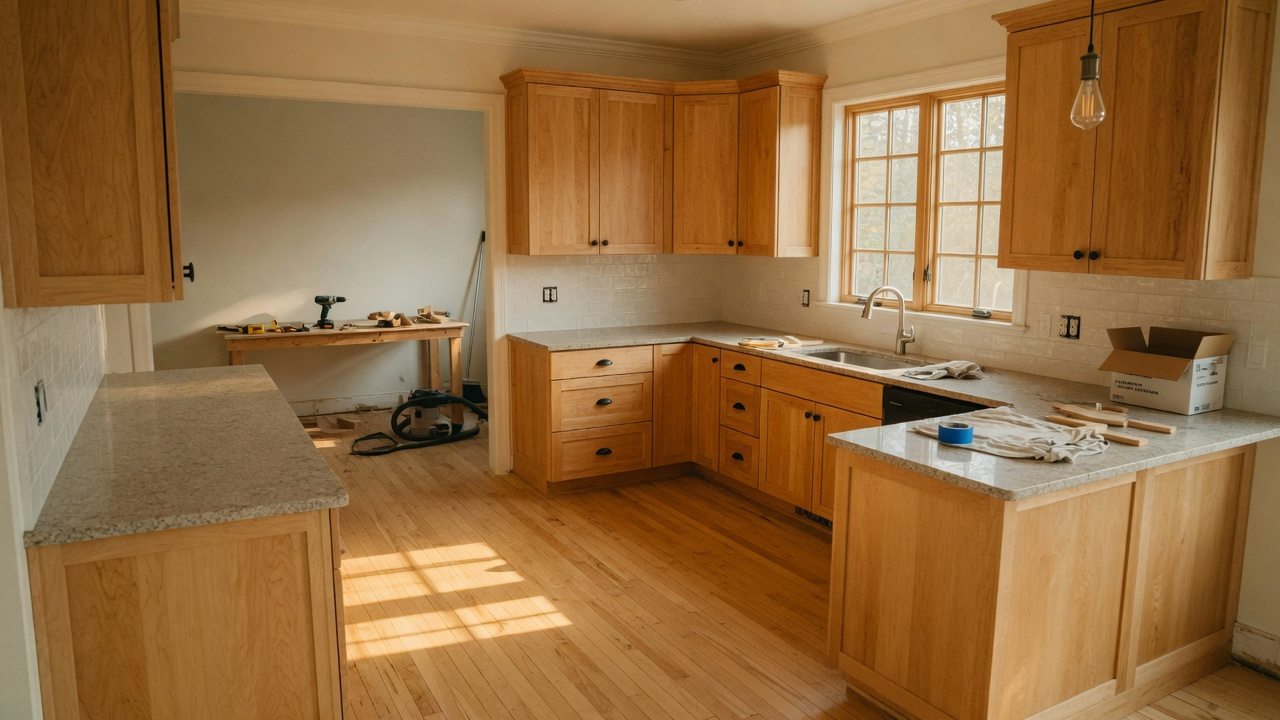
Show real work
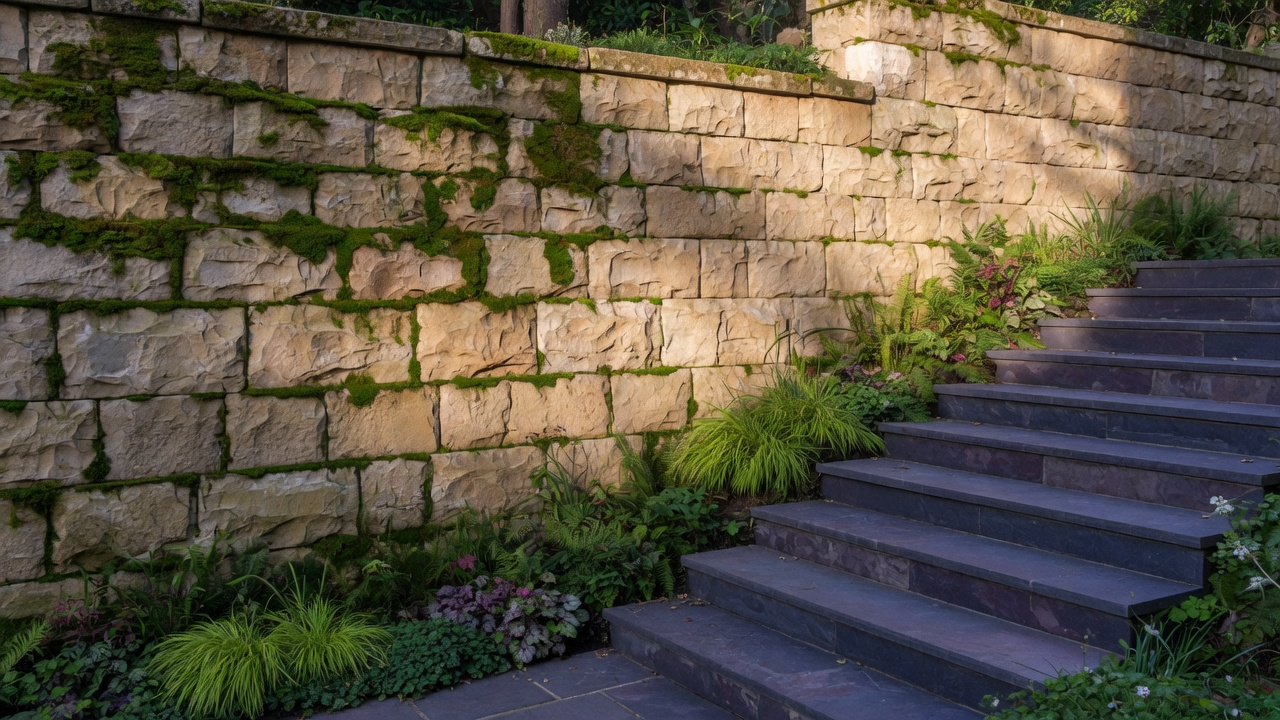
A photo of a job you actually finished beats clipart brick. If you only have two pictures, use two. Don’t fake a gallery with someone else’s house — homeowners notice, and so do search engines if the same stock file is on fifty other sites. License numbers, if you have them, belong near the ask, not buried in a PDF.
We can place yours ($29) or make a small set ($49) — both are add-ons on Plans. After install, swap sample jobs in /admin the same week. Leaving demo roofs up is the same as leaving “coming soon” on the hours.
Homepage vs About
Homepage: what you do, where, how to ask, two photos. About: who you are, how long you’ve been at it, insurance if you want it public. Contact: the same email and hours as the footer. If those three pages disagree, pick one version and copy it. That is also the point of don’t send Google to a half-finished site.
What we set up
These are Flask apps you own. Buy the files ($69–$89 on these five), or we put Flask on a Linux box you rent — Get it online $149, or Ready to show people $349 if you want it written like your business. The install steps are in how we put a template on a VPS.
The five contractor layouts: Fieldwork Estimate, Ashlar Masonry, Stormridge Roofing, Nightcircuit Electric, Cistern Plumbing. Full catalog: designs. Here’s how a job with us runs: look, pick, we stop. Prices: what it costs.
Other notes
- You don’t need property software on day one
- How we put your site on a VPS
- Don’t send Google to a half-finished site
All notes · Plans · Pricing · Designs · How a job runs · FAQ · Email us